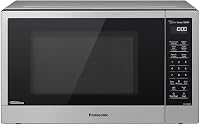
Can You Bake a Cake in Microwave Oven?
Yes, you can bake a cake in a microwave oven, as long as you use a microwave-safe dish and a recipe written for microwave power. The cake comes out moist and ready in minutes, but it won't brown or crisp like an oven-baked cake.
On this page (11 sections)
- How does baking a cake in a microwave actually work?
- What can you bake in a microwave, and what should you skip?
- Which settings and dishes should you use?
- How do you bake a cake in a microwave step by step?
- What recipes work best in a microwave?
- Which microwave settings matter most for cakes?
- Which microwave suits small-batch cake baking?
- What mistakes make microwave cakes fail?
- How does a microwave cake compare with an oven cake?
- The bottom line on baking a cake in microwave oven
- The Sharp SMC2266KS fits larger dishes for family batches.
Yes, you can bake a cake in microwave oven, as long as you use a microwave-safe dish and a recipe written for microwave power. The cake comes out moist and ready in minutes, but it won't brown or crisp like an oven-baked cake.
A microwave cake is really a steamed cake. Microwaves heat the water in the batter, so the crumb sets fast and stays tender.
That makes it a good fit for a quick single serving or a small family bake, not a layered birthday cake.
How does baking a cake in a microwave actually work?
A microwave cooks by heating water molecules in the batter, not by surrounding the pan with hot air. The batter sets quickly, so the center firms up before the surface ever browns.
That is why microwave cakes rise quickly and stay pale. The steam trapped in the dish keeps the crumb soft.
There is no dry heat to form a crust, so the top looks more like a steamed pudding than a sponge.
Timing matters more than in a regular oven. A 1000-watt microwave can set a mug cake in 60 to 90 seconds.
A larger dish needs longer, but the edges overcook first if you push the time.
The good news: you don't need to preheat anything. From mixing bowl to plate, a mug cake takes about 3 minutes.
What can you bake in a microwave, and what should you skip?
You can bake small, moist cakes and mug cakes reliably. Skip anything that depends on browning, structure or a crisp crust.
Good candidates:
- Mug cakes and single-serve brownies
- Small sponge or snack cakes in a glass dish
- Fruit crumbles with a soft topping
- Egg-free and butter-light recipes
Poor candidates:
- Layered cakes that need level, dry-heat baking
- Anything with a crust, pastry or meringue
- Large sheet cakes that need even browning
The limit is size and surface. A microwave-safe glass dish up to about 8 inches across works for a small cake.
Beyond that, the center cooks before the edges catch up.
Which settings and dishes should you use?
Use full power on a 1000-watt oven and a microwave-safe dish. Lower the power or shorten the time if your microwave is more powerful than the recipe assumes.
Power level
Most microwave cake recipes are written for 1000 watts. An 1100 or 1200-watt oven runs hotter, so start with 80 percent power or cut the time by about a fifth.
Inverter models like the Panasonic NN-SN67KS hold a steady lower power instead of pulsing on and off, which heats batter more evenly.
Dish choice
Glass, ceramic and silicone marked microwave-safe are the safe picks. A round glass dish about 6 to 8 inches across suits a small cake.
Metal pans, foil and dishes with metal trim will arc and spark, so leave them out.
Covering
Many recipes ask you to cover the dish loosely with microwave-safe plastic wrap or a plate. That traps steam and keeps the top from drying.
Vent one corner so pressure can escape.
How do you bake a cake in a microwave step by step?
Mix a microwave-specific recipe, pour it into a safe dish, and cook in short bursts. Checking early is the main skill.
- Stir the dry ingredients in one bowl and the wet in another, then combine until just mixed.
- Pour into a microwave-safe dish no more than two-thirds full, so the batter has room to rise.
- Microwave on high for the recipe's first time, then check.
- Add 15 to 30 seconds at a time until the top looks set and a toothpick comes out with moist crumbs.
- Let the cake stand for 1 to 2 minutes in the dish before turning it out.
Stop early rather than late. A cake that looks slightly underdone at the center will finish setting as it stands.
An extra 30 seconds can turn it rubbery.
Why does the cake rise so fast?
The baking powder or soda releases gas as the batter warms, and the steam pushes it up. In a microwave that happens within seconds, so the rise is quick and uneven compared with an oven.
Keep the dish partly covered so the steam stays in. Don't open the door mid-cycle unless the recipe tells you to, since the heat drops fast.
What recipes work best in a microwave?
The best recipes are small, moist and written for microwave wattage. Mug cakes, snack cakes and steamed sponge styles fit the appliance's strengths.
A basic mug cake uses flour, sugar, cocoa or vanilla, baking powder, milk, oil and a pinch of salt. Mix it in the mug, microwave on high for 60 to 90 seconds, and let it stand.
That is enough for one generous serving.
For a small round cake, a sponge recipe scaled to a 6-inch dish works. Use a recipe that lists microwave time rather than oven time.
Converting an oven recipe is possible but needs trial and error, since power, dish size and moisture all change the result.
Fruit crumbles and steamed puddings also do well, because their soft texture suits steam cooking. A crisp topping won't stay crisp, though.
Which microwave settings matter most for cakes?
The settings that matter most are wattage, power level and even heating. A sensor or inverter feature helps, but the recipe time still drives the result.
- Wattage: match the recipe to your oven's rated watts. A 1200-watt model like the Sharp SMC2266KS runs hotter than a 1000-watt one, so expect shorter times.
- Power level: full power for mug cakes, lower power for larger dishes that need gentler heat.
- Turntable: keeps the batter heating evenly. Our guide to flatbed vs turntable microwave explains how each moves heat around the dish.
- Sensor cooking: some ovens adjust time by sensing steam. A sensor cooking microwave can help with reheating, though cake recipes still need a set time.
If your oven has a flat cooking floor instead of a turntable, the dish sits still. That design is worth understanding before you bake; see what a flatbed microwave is.
Which microwave suits small-batch cake baking?
A 1000 to 1200-watt countertop model with a turntable and easy controls covers most microwave cake recipes. Here are three that fit the job.
Panasonic NN-SN67KS Inverter Microwave
The Panasonic NN-SN67KS runs at 1200 watts with 11 power levels and a 13.4-inch turntable. Its inverter technology delivers a continuous stream of power instead of pulsing, which suits lower-power cake recipes.
It also has 16 sensor cook settings for reheating. The child lock is mandatory on U.S. countertop models.
BLACK+DECKER 1.1 Cu Ft 1000W Microwave
The BLACK+DECKER runs at 1000 watts with 10 power settings and a 12.4-inch removable glass turntable. That wattage lines up with most microwave cake recipes, so the listed times apply.
It also has six auto-cook presets and a 30-second express button for quick reheats.
Sharp SMC2266KS 2.2 Cu Ft Microwave
The Sharp SMC2266KS offers 2.2 cubic feet at 1200 watts, with a 16.5-inch carousel turntable and 10 power levels. Its inverter cooking technology and sensor cook settings help with even heating.
The extra space suits a larger glass dish, though the cabinet is big at 24.4 inches wide.
What mistakes make microwave cakes fail?
The common failures are overcooking, wrong dishes and too much batter. Fix those three and most microwave cakes turn out fine.
Overcooking is the biggest one. Cake keeps cooking after the microwave stops, so pull it when the center still looks a little moist.
Check at the short end of the recipe time.
Using a metal pan or foil is a safety problem, not just a quality one. Stick to glass, ceramic or silicone marked microwave-safe.
A dish that is too full can boil over, so leave headroom.
Also watch the recipe's wattage. If you bake a 1000-watt recipe in a 1200-watt oven without adjusting, the edges will dry out before the middle sets.
How does a microwave cake compare with an oven cake?
A microwave cake is faster and moister but paler and softer than an oven cake. An oven cake wins on crust, structure and looks.
| Feature | Microwave cake | Oven cake |
|---|---|---|
| Time | 1 to 5 minutes | 25 to 40 minutes plus preheat |
| Crust | None, soft top | Golden, set crust |
| Texture | Moist, steamed crumb | Firmer, drier crumb |
| Best for | Single servings, small bakes | Layer cakes, celebrations |
| Dish | Microwave-safe glass or silicone | Metal or ceramic cake pan |
Pick the microwave when you want one serving fast or a small bake without heating the kitchen. Pick the oven when the cake needs to look and slice like a classic cake.
If your microwave lives on top of the fridge, check whether you can put a microwave on top of a fridge before planning a baking session there.
The bottom line on baking a cake in microwave oven
Yes, you can bake a cake in microwave oven, and it's a practical way to make a mug cake or a small sponge in minutes. Use a microwave-safe dish, a recipe written for your oven's wattage and short cook times with early checks.
For a layered or celebration cake, the regular oven still gives the better crust and structure.
If you bake small cakes often, a 1000-watt turntable model like the BLACK+DECKER matches most recipes. The Panasonic NN-SN67KS inverter oven suits gentler, more even heating.
The Sharp SMC2266KS fits larger dishes for family batches.
Frequently asked questions
Can you bake a cake in microwave oven without eggs?
Yes. Egg-free mug cake recipes use milk or a milk alternative, oil or melted butter, flour, sugar and baking powder.
Mix them in the mug and microwave on high, then let the cake stand for a minute before eating.
What power level should I use to bake a cake in a microwave?
Most microwave cake recipes call for full power on a 1000-watt oven. If yours is more powerful, drop to 80 percent power or shorten the time.
Inverter models hold a steady lower power, which heats the batter more gently.
Why did my microwave cake turn rubbery?
Rubbery cake usually means it cooked too long or at too high a power for too small a portion. Stop when the top looks just set and a toothpick comes out with a few moist crumbs, not dry.
Let it stand a minute before checking again.
Can I bake a cake in a microwave in a normal cake pan?
Only if the pan is labeled microwave-safe. Metal pans and tins with metal trim will spark.
Glass, ceramic and silicone dishes marked microwave-safe are the safe choices, and a round glass dish works well for small cakes.
Does a microwave cake brown like an oven cake?
No. Microwaves heat through moisture, so the surface stays pale and soft.
You get a moist, steamed-style crumb rather than a golden crust.
A broiler or a browning dish can add color afterward if you want it.