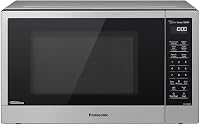
Can You Put a Microwave on Top of a Fridge?
Sometimes, you can put a microwave on top of a fridge if both manuals permit it and the surface is stable. Keep required vents clear, use a safe outlet, and make sure you can reach the controls and lift hot dishes without stretching.
On this page (9 sections)
- Can you put a microwave on top of a fridge safely?
- What should you check before putting a microwave there?
- Can microwave heat affect the refrigerator?
- Which microwave size is easier to place on a fridge?
- Which compact microwave might suit your setup?
- How do you set up and care for a microwave on a fridge?
- What mistakes make this setup unsafe or inconvenient?
- When should you avoid putting a microwave on a fridge?
- How do you decide where the microwave belongs?
Sometimes you can put a microwave on top of a fridge, but only if both manuals allow it and the setup meets their clearance and stability requirements. Keep vents open, use a suitable power connection, and make sure you can reach the controls and lift hot food without stretching.
A fridge top can free counter space, but it may be high, warm, or uneven. Before moving either appliance, measure the usable surface, check both manuals, and picture how you'll use the microwave each day.
Can you put a microwave on top of a fridge safely?
You can put a microwave on top of a fridge only when both manuals permit it and the surface is level, stable, and large enough. The microwave also needs its stated ventilation space, and neither appliance's vents or controls should be blocked.
Read the microwave manual for placement and clearance rules, including whether it can sit near another appliance. Check the fridge manual for surface limits and vent locations.
If either manual rules out the arrangement, follow that instruction. Don't treat a setup as safe just because the appliances fit together physically.
The microwave should sit flat without rocking, hanging over an edge, or resting on loose material. All its feet should be supported, and the door should open without hitting a cabinet or wall.
For help comparing footprints and capacity, see what size microwave you need. A compact model may fit a smaller surface, but its manual still determines where it can go.
What should you check before putting a microwave there?
Check clearance, vents, stability, reach, and the power connection before placing the microwave. If any of those checks fail, choose another location.
Does the microwave have enough ventilation space?
The microwave needs the clearances stated in its manual, with every vent kept open. Don't guess based on another model's needs, since vent locations and requirements can differ.
Measure the space from the microwave to nearby walls, cabinets, and the ceiling. Leave the stated areas above and around it open, and don't use the microwave top as a shelf.
Is the fridge top level and stable?
The fridge top must support the microwave evenly without wobbling or sliding. Check for a slope, raised trim, or anything that prevents all the feet from sitting flat.
Don't add a board, towel, or mat unless both manuals allow it. A soft or uneven layer can reduce stability or affect airflow.
Can you reach the controls and handle hot food?
You should be able to read the controls, open the door, and remove a hot dish with both hands while standing securely. A microwave that's too high can make spills and burns more likely.
Consider who will use it and what dishes you heat. If you need to stretch or lift a hot bowl above shoulder level, choose a lower location.
Is there a safe outlet nearby?
Use an outlet that meets the microwave manual's instructions. Keep the cord away from pinch points behind the fridge and from heat or moisture.
Don't rely on an extension cord or power strip unless the manual specifically permits one. If a suitable outlet isn't close enough, ask a qualified electrician about options.
Can microwave heat affect the refrigerator?
Keep the microwave's exhaust away from refrigerator vents and follow both manuals' spacing rules. A cramped setup can restrict airflow or direct heat where it doesn't belong.
Look for vents on both appliances, including at the rear and sides. Don't cover them with the other appliance, a wall, stored items, or a cord.
The fridge may also release heat during normal operation, depending on its design and vent placement. The manuals are the best guide to whether the appliances can sit close together.
If either appliance becomes unusually hot, smells odd, or stops working as expected, stop using the arrangement and contact the manufacturer. Don't keep using a setup that appears to affect either appliance.
Which microwave size is easier to place on a fridge?
A compact microwave may be easier to fit, but its weight, footprint, ventilation needs, and operating height still matter. Compare the actual dimensions with the usable fridge top and the space around it.
The Farberware 0.7 cu ft model measures 17.3 in wide, 12.99 in deep, and 10.14 in high. It may suit a smaller surface if both manuals allow the placement and its feet sit fully on the fridge.
Measure the refrigerator's usable top, not just its full width and depth. Keep the microwave's feet away from edges and leave the required gaps around it.
If the top is too small or high, compare compact microwaves for tight spaces. For other placement and size factors, read how to choose a countertop microwave.
Which compact microwave might suit your setup?
Choose by the space you have and the features you'll use, then confirm the dimensions and placement rules in each manual. A capacity label alone doesn't show whether a microwave will fit the fridge top or leave enough room for ventilation.
The Chefman 0.9 cu ft microwave measures 18.9 in wide, 13.27 in deep, and 11.52 in high. It has 10 power levels, 6 cooking presets, a child safety lock, and a mute option, which can suit a shared space where beeps are unwelcome.
The BLACK+DECKER 0.9 cu ft model measures 18.7 in wide, 13.2 in deep, and 10.7 in high. Its 6 one-touch presets, 10 power levels, and child safety lock suit everyday reheating where those controls are useful.
The Farberware is the smallest of these three by width and depth, so start there when surface space is tight. The Chefman and BLACK+DECKER offer 0.9 cu ft capacity, but neither should be chosen for a fridge top until its footprint, height, clearance, and manual all work for your room.
For each model, measure the usable top and the open space above it. Also consider its weight and whether you can place it there without an awkward lift.
How do you set up and care for a microwave on a fridge?
Set it up only after checking both manuals, then keep the surface, vents, and cord clear. Place the microwave gently, confirm it sits level, and make sure its door and controls are easy to reach.
Before moving the microwave, clear the fridge top and plan a safe way to lift it with another person if needed. Don't drag it across the surface, since that can scratch or shift the appliance.
Keep the top free of stored items, especially near vents. Wipe up spills promptly and use the care instructions for each appliance; don't let cleaning or stored items block airflow.
After setup, open and close the fridge door and microwave door to check that neither appliance shifts or bumps the other. Recheck the position if the fridge is moved or the microwave is cleaned.
What mistakes make this setup unsafe or inconvenient?
The common mistakes are skipping the manuals, blocking vents, ignoring a small or uneven surface, and placing the microwave too high. Each can make daily use less stable or comfortable.
Don't assume every microwave vents in the same direction or needs the same amount of space. Don't cover the appliance with a cloth, stack items on it, or wedge it between surfaces to keep it from moving.
Avoid a cord trapped behind the fridge, a loose mat under the microwave, or a placement where opening the fridge can bump the unit. Don't stand on a chair to operate the controls or remove hot food.
A freestanding shelf is an option if it's designed to support the microwave's weight and leaves the required airflow space. Install and anchor it as instructed, with the microwave at a height you can use safely.
When should you avoid putting a microwave on a fridge?
Avoid the setup if either manual prohibits it, the surface is unstable, required vents would be blocked, or the microwave is hard to reach. A lower counter or suitable shelf is the better choice in those situations.
Choose another spot if the fridge door could bump the microwave, the cord could be pinched, or splashes could reach the appliance. Don't use the fridge top simply because counter space is limited.
If the only available placement forces you to compromise on clearance or safe access, reconsider the microwave's size or location. How many watts a microwave uses can help you compare power needs as you consider another model.
How do you decide where the microwave belongs?
Put a microwave on top of a fridge only when both manuals allow it, the surface supports it evenly, and you can use it safely. Measure first, keep vents clear, check the outlet, and leave the required clearances open.
If any check fails, use a lower counter or a sturdy shelf with enough room around the microwave. Choose a compact model when the measured footprint is the main constraint, and choose a different location when reach or ventilation is the problem.
Frequently asked questions
Can a microwave sit on top of a fridge?
It can if both appliance manuals allow that placement, the fridge top is level and stable, and the microwave has all required ventilation space. Check that it won't slide, block vents, or prevent access to fridge doors and controls.
Use a suitable outlet and avoid a cord that could be pinched or pulled.
How much space should be around a microwave?
Use the clearance distances in that microwave's manual because requirements vary by model and vent location. Keep the stated space around the sides, back, and top open, and don't place objects over vents.
If you can't find the manual, ask the manufacturer before using the microwave in a tight spot.
Can a microwave make a fridge overheat?
The appliances' airflow and vent locations determine whether this setup is suitable. Follow both manuals, keep vents uncovered, and avoid directing microwave exhaust toward refrigerator vents.
If either appliance becomes unusually hot or stops working as expected, stop using the arrangement and contact the manufacturer.
Is a microwave safe on a tall fridge?
A tall fridge can put the controls and hot dishes out of safe reach. If you have to stretch, lift a hot bowl above shoulder level, or stand on something to use the microwave, choose a lower counter or shelf.
Also check that the manuals permit the setup and the surface is level.