Microwave vs Air Fryer: Which Is Better? (October 2026)
Choose a microwave for quick reheating and an air fryer for crisp, browned food. If you want both methods in one appliance, a microwave air fryer combo saves a second appliance's counter space.
On this page (8 sections)
- Microwave vs air fryer: which suits your meals?
- Which appliance reheats food better?
- Which appliance is easier to set up and care for?
- Is a microwave air fryer combo worth considering?
- How much counter space do they need?
- How should you use each appliance well?
- What should you buy for your kitchen?
- Microwave vs air fryer: which should you choose?
A microwave is better for fast reheating, while an air fryer is better for crisp, browned food. In a microwave vs air fryer decision, start with the meals you make most and the texture you want from them.
A microwave quickly warms drinks, soups, leftovers and other moist foods. An air fryer circulates hot air around food in a basket, making it a stronger fit for fries, breaded foods and small portions where a crisp surface matters.
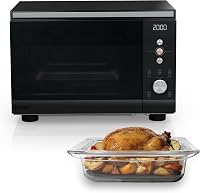
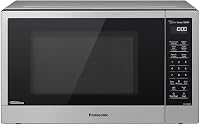
The BLACK+DECKER 1.1 Cu Ft 1000W Microwave suits routine heating. The Chefman 6 Qt Air Fryer focuses on crisp basket cooking, while the BLACK+DECKER 5-in-1 Microwave Air Fryer Combo puts several cooking modes in one unit.


Microwave vs air fryer: which suits your meals?
Choose a microwave for speed and moist foods; choose an air fryer when crispness matters. These appliances solve different cooking problems, so the better fit depends on what you reach for most often.
A microwave suits a mug of tea, a bowl of soup, leftovers or a frozen vegetable side. It is also a practical choice when you want a fast warm-up without heating a larger oven.
An air fryer suits fries, chicken tenders, breaded foods and roasted vegetables. It needs room around food for hot air to circulate, so a crowded basket may cook less evenly and can leave food softer.
If both jobs matter, a combo provides microwave and air fry modes in one appliance. You gain flexibility while giving up some interior space compared with a dedicated microwave.
What does a microwave do best?
A microwave is the stronger fit for quick reheating and everyday foods. It heats moist meals and drinks without requiring you to arrange them in a basket or preheat an oven.
The BLACK+DECKER microwave has preset buttons for popcorn, potato, pizza, frozen vegetables, beverages and dinner plates. Its 10 power settings give you control over how it heats, while the removable glass turntable rotates dishes inside the 1.1 cu ft cavity.
A microwave is a poor choice if crisp edges are a priority. Breaded food and fries can turn soft when reheated this way, so choose an air fryer when texture matters more than speed.
For help matching a microwave's capacity to your dishes, read what size microwave you need. If you are comparing power, our guide to how many watts a microwave uses explains what wattage means for everyday cooking.
What does an air fryer do best?
An air fryer is the better choice for crisping small portions. Its basket lets hot air reach the food's surfaces, which helps create browned, crisp results without deep frying.
The Chefman air fryer has a 6 qt basket sized for 3 to 5 people, with four touchscreen presets and a halfway shake notification. Its Hi-Fry feature raises the temperature to 450°F during the final 2 minutes for an extra-crisp finish.
Air frying takes more attention than dropping a dish into a microwave. Arrange food with space around it, shake or turn it when needed, and cook in batches if the basket is crowded.
An air fryer is a poor replacement for a microwave if you regularly warm drinks, soup or moist leftovers. The basket format also means you'll need a place to set it down while loading or serving food.
Which appliance reheats food better?
Use a microwave for moist leftovers and an air fryer to bring back crispness. The food's texture after reheating is often the deciding factor.
A microwave is convenient for rice, soup, vegetables and drinks. Stir or rotate food when appropriate, and follow package directions for covered or uncovered heating.
An air fryer can restore a crisp exterior to fries, nuggets and similar foods. It may take longer than a short microwave cycle, and the food needs space in the basket.
For a meal with both moist and crisp parts, heat each component in the appliance that suits it. Warm rice or vegetables in the microwave, for example, and crisp a breaded side separately in the air fryer.
Which appliance is easier to set up and care for?
A microwave needs a suitable counter spot and room for its door and turntable; an air fryer needs space to pull out its basket. For either appliance, read the manual and leave the ventilation clearances it calls for.
Before setting up a microwave, measure the counter and check that a dish can fit on the turntable. Keep the door's swing clear and place only microwave-safe cookware inside.
For an air fryer, choose a stable spot with room to open and remove the basket. Let the basket and rack cool before cleaning; the Chefman's nonstick basket and rack are dishwasher safe.
Wipe the appliance exterior with a damp cloth when needed. Remove food residue after cooking so it doesn't build up, and use the care instructions for any parts that should not go in a dishwasher.
Common setup mistakes include pushing an appliance against a wall without checking its required clearance, blocking an air fryer's vents, and using cookware in a microwave mode that isn't microwave-safe. Check the manual before choosing a location or cooking vessel.
Is a microwave air fryer combo worth considering?
Consider a combo if you need microwave and air fry functions but have limited room for separate appliances. Its value depends on whether the available capacity and controls suit the meals you make.
The BLACK+DECKER combo measures 19.5 in wide, 14.5 in deep and 11.4 in high. It has a 0.9 cu ft interior, smaller than the separate BLACK+DECKER microwave's 1.1 cu ft capacity, so compare it with your regular plates and cookware.
Its five functions are microwave, air fry, combi, bake and roast. It has 11 air fry presets, seven microwave auto menus and 900W microwave output.
A combo is a sensible choice when you want several cooking modes in one appliance and can work with its interior size. Skip it if you mainly need a larger microwave cavity or want a separate basket air fryer for frequent crisp cooking.
Read our countertop microwave air fryer combo guide for more options. If you are weighing microwave and convection modes, our inverter vs convection microwave comparison explains how those features differ.
How much counter space do they need?
Measure the appliance footprint and the space needed to use it before deciding. Capacity alone won't tell you whether a microwave door or air fryer basket will fit comfortably.
The BLACK+DECKER microwave measures 20.6 x 14.8 x 11.8 in in width, depth and height. The Chefman air fryer is 11.1 x 14.88 x 11 in, and the BLACK+DECKER combo is 19.5 x 14.5 x 11.4 in.
The air fryer is narrower, but that doesn't automatically make it the better choice for a small counter. Leave room to pull out its basket and set down hot food, and account for the cord and the appliance clearances in its manual.
A combo can replace the footprint of two appliances with one unit, but its width is greater than the standalone air fryer's. Measure your available counter and check the opening path for a door or basket.
For more microwave fit advice, see how to choose a countertop microwave. Measure your own plates and containers before settling on a microwave capacity.
How should you use each appliance well?
Use the microwave for quick warming and the air fryer for food that needs a crisp surface. Good habits improve convenience and reduce common cooking frustrations.
For microwave reheating, place food in a microwave-safe container and cover it when the directions call for it. Stir or rotate food where practical, since thick portions and uneven shapes may heat at different rates.
For air frying, avoid piling food into the basket. Give pieces room, shake or turn them partway through, and cook in batches when one layer won't fit; the Chefman's shake alert can serve as a reminder.
For both appliances, use the mode that matches the food and cookware. A combo's microwave, air fry, combi, bake and roast settings are different methods, so follow its instructions when selecting a rack, tray or container.
What should you buy for your kitchen?
Pick a microwave for routine reheating, an air fryer for crisp foods, or a combo if you need both methods in one appliance. The meals you make most often should lead the decision.
Choose the microwave if you often warm drinks, soups and leftovers, and you have counter space for a turntable model. Skip it as your only appliance if you expect it to crisp fries or breaded food.
Choose the air fryer if you often cook small portions and want a browned finish. Skip it as a microwave replacement if fast warming of liquids and moist meals is part of your daily routine.
Choose the combo if you want multiple modes and prefer one countertop appliance. Check its capacity against your dishes first, especially if you regularly use wide plates or large containers.
Microwave vs air fryer: which should you choose?
Choose a microwave for quick reheating, an air fryer for crisp results, and a combo when you want both cooking methods in one unit. Let your usual meals and available counter space settle the choice.
For a dedicated microwave, consider the BLACK+DECKER 1.1 cu ft model. For crisp basket cooking, the Chefman air fryer has a 6 qt capacity and a high-heat finish.
If one appliance needs to cover several jobs, compare the BLACK+DECKER combo's interior and cooking modes with your cookware. The countertop microwave air fryer combo guide is a useful next step.
Frequently asked questions
Is a microwave or air fryer better for reheating?
A microwave is usually the more direct choice for liquids, soups and moist leftovers, while an air fryer can restore crispness to foods such as fries. Pick based on the texture you want.
Use a microwave-safe container and follow the food's heating directions.
Can an air fryer replace a microwave?
An air fryer can reheat some foods, but it doesn't offer microwave cooking for quick warming of drinks, soups and moist leftovers. If you need both functions in one countertop appliance, consider a microwave air fryer combo.
Check its interior capacity against your usual dishes.
Does a microwave make food crispy?
A standard microwave heats food but doesn't give it the same crisp surface as air frying. Some combination microwaves include air fry or convection functions, so check the exact modes if browning and crisping matter to you.
Which takes up less counter space, a microwave or air fryer?
The footprint depends on the appliance. The BLACK+DECKER microwave measures 20.6 x 14.8 in, while the Chefman air fryer measures 11.1 x 14.88 in.
Compare width and depth, then leave the operating clearances in the manual.